Unplug and Play: Mastering the Hardware Live Set

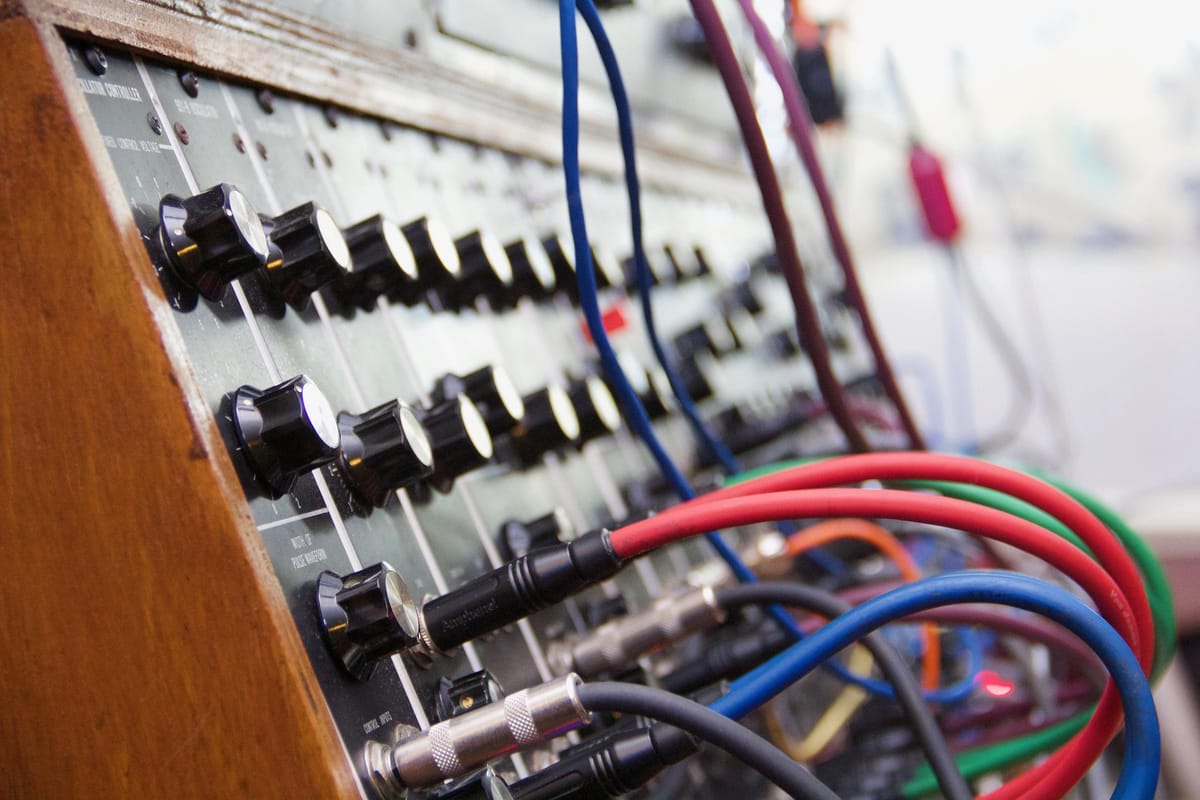
There is a unique kind of magic that happens when you step away from the computer screen, turn off your monitor, and let your hands dance across physical instruments. Hardware live sets are raw, unpredictable, and incredibly rewarding.
However, trading the visual safety net of a DAW timeline for a table full of drum machines, synthesizers, and samplers can feel like jumping out of an airplane without a parachute. How do you keep a continuous groove going? How do you transition from one song to the next without an awkward silence?
Here at EchoWave Collective, we love the tactile world of "dawless" jamming. Whether you have a couple of affordable pocket operators or a desk full of classic analog gear, mastering a live set comes down to performance techniques, not just the equipment. Let's break down how to keep the dancefloor moving seamlessly.
The Foundation: Your Electronic Ecosystem
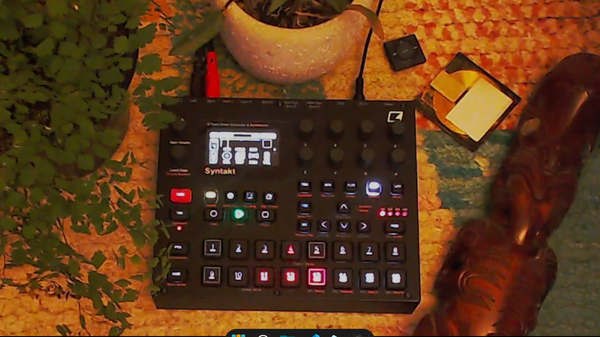
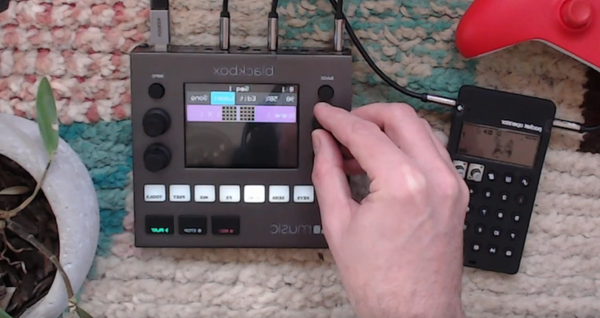
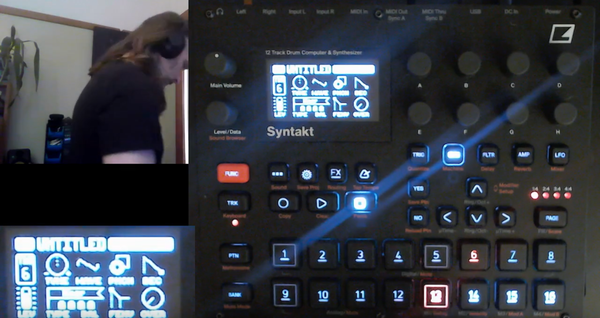
Before we talk about transitions, you need to understand your setup. A standard hardware rig usually consists of a few core elements:
- The Brain/Drums: Usually a drum machine or a central sequencer that dictates the master tempo (MIDI Clock) for everything else.
- The Bass: A monophonic synthesizer dedicated to holding down the low end.
- The Lead/Chords: A polyphonic synth or sampler for your melodic elements and textures.
Once these machines are synced together, the goal is to manipulate their patterns and sounds in real-time to create a continuous musical journey.
Technique 1: The Art of the Fill Pattern
In a DAW, changing a song is as easy as dragging a new block onto the timeline. In a hardware set, changing patterns too abruptly can jar the listener. This is where "Fill Patterns" become your best friend.
A fill pattern is a short, usually 1-bar sequence designed specifically to bridge the gap between two different grooves.
- How to use it: Let's say Song A is playing on Pattern 1. You want to move to Song B on Pattern 3. Instead of jumping straight there, create a dedicated "Fill" on Pattern 2.
- The Construction: This fill should feature rolling snares, a break in the heavy kick drum, or a sudden burst of rhythmic energy.
- The Execution: As you reach the end of a musical phrase, trigger your fill (Pattern 2). The sudden change grabs the audience's attention. While that 1-bar fill is playing, you have exactly a few seconds to cue up Pattern 3. When the fill ends, the new groove drops with maximum impact.
Technique 2: The "Ship of Theseus" Transition
If you want a smoother, more hypnotic transition—perfect for techno, house, or ambient sets—you need to master the art of single-instrument replacement. Think of it like a DJ slowly blending two tracks, but you are doing it instrument by instrument.
Instead of changing the whole pattern at once, you mutate the current groove into a new one.
- Step 1: The Breakdown. Start by muting elements of your current track. Drop out the lead synth, then mute the bassline. You are left with just a stripped-back drum groove.
- Step 2: The Introduction. Introduce a single element from your next track. For example, while the old kick drum is still playing, bring in the new, syncopated hi-hat pattern of the next song.
- Step 3: The Swap. Swap the foundation. Mute the old kick drum and immediately trigger the new kick drum and the new bassline simultaneously.
- The Result: By replacing the groove one piece at a time, the audience doesn't even realize the song has completely changed until they are already dancing to a brand-new track.
Technique 3: Creating Tension and Release (The Two-Handed Dance)
The most thrilling moments in a hardware set come from live manipulation. You are not just pressing play; you are physically shaping the sound. A masterstroke of live performance is using one device to build massive tension while using your other hand to set up the release.
- The Setup: You are reaching the climax of a track. You need to build energy before transitioning to a heavy new drop.
- The Left Hand (Tension): Grab the cutoff knob on your synthesizer's filter, or the feedback knob on a delay pedal. Slowly start twisting it. As the filter opens up (or the delay starts to wash out into a wall of sound), the sonic tension in the room skyrockets. The sound becomes chaotic and huge.
- The Right Hand (Preparation): While the audience is distracted by the massive sound you are creating with your left hand, your right hand is quietly working. You are using this wall of noise to mask the fact that you are changing the patterns on your drum machine, adjusting the tempo, and cueing up the next sequence.
- The Release: You bring the two hands together. You aggressively close the filter (killing the noise) at the exact same millisecond you hit "Play" on the new, heavy drum pattern. The contrast between the chaotic wash of sound and the sudden, punchy new groove is incredibly satisfying.
Embrace the Mistakes
The beauty of a hardware live set is the danger. You will accidentally mute the wrong track. You will hit a wrong note on a synth. Embrace it! The audience loves seeing a human being actually perform electronic music. When you make a mistake, repeat it twice, and suddenly it is a feature, not a bug.
Get your machines synced up, practice these transitions, and record your next jam. We want to hear your live sets in the EchoWave Collective showcase channel!