You Don’t Need New Gear: How to Approach What You Have Differently
Welcome back to the EchoWave Collective blog! If you have been producing music for more than a few months, you have probably encountered a very specific, very expensive condition: Gear Acquisition Syndrome, or "GAS."
It is the nagging feeling that your tracks are missing something, and that the only way to fix them is to buy that new analog synthesizer, download that massive orchestral plugin library, or upgrade your audio interface. We have all been there. But the truth is, the magic isn't hiding in a shopping cart. The secret to better music isn't accumulating more tools—it is fundamentally changing how you approach the ones you already own.
Here is a guide to using creative limitations to break out of a rut and make your best music yet, without spending a single cent.
The Paradox of Choice
In the modern digital studio, we have access to more sounds than the greatest producers of the 1980s could have ever dreamed of. However, having infinite choices is often the enemy of finishing a track. If you can choose from 4,000 different kick drums, you will spend three hours auditioning kicks instead of writing a groove.
When you limit your options, your brain stops analyzing choices and starts solving problems. By artificially restricting your gear, you force yourself to be creative.
The "One Tool" Challenge
One of the best ways to completely reset your creative workflow is to ruthlessly restrict your sound sources. Next time you open your DAW, try the "One Tool" challenge.
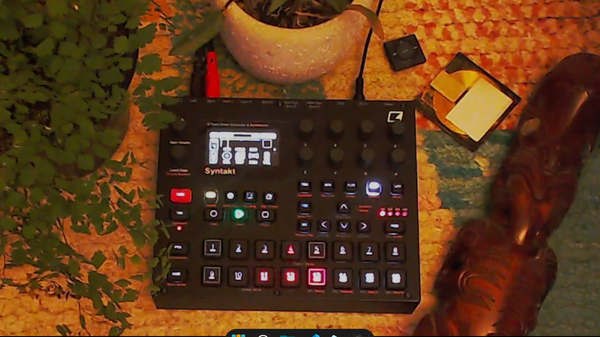
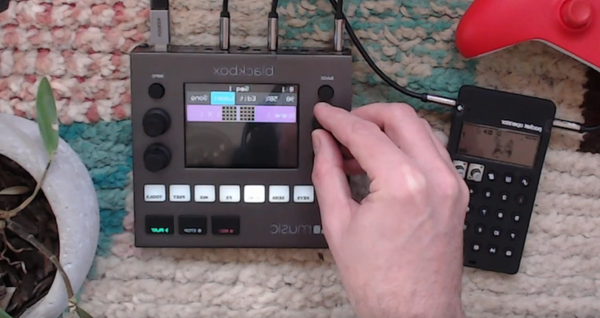
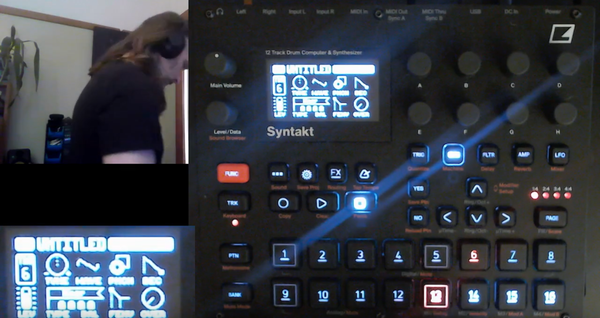
- The Single Synth Rule: Pick one free VST synthesizer or one piece of hardware. Force yourself to synthesize the kick drum, the hi-hats, the bassline, the chords, and the lead melody using only that one instrument. You will learn more about sound design in one afternoon than you would in a month of watching tutorials.
- The Single Sample Rule: Take one short audio sample—maybe a half-second clip of a jazz record or a recording of you hitting a coffee mug with a spoon. Put it in a sampler and use pitch-shifting, time-stretching, and heavy effects to create every single element of a beat from that one sound.
Declutter Your Digital Footprint
Sometimes, the gear isn't the problem; the clutter is. Just as simplifying your digital footprint, organizing your cloud storage, and uninstalling bloated applications clears your mind in your day-to-day computing, decluttering your virtual studio clears your creative path.
Take a weekend to organize your sample folders. Delete the gigabytes of sounds you downloaded five years ago and have never used. Hide the plugins you don't fully understand. Build a streamlined, minimalist template in your DAW that loads up instantly with just a few core tools. When your digital environment is clean and organized, your brain is free to focus entirely on writing.
Push Things Into the Red (Use Gear "Wrong")
When we get a new piece of gear or software, we usually follow the rules. We keep the levels safe, we use the presets, and we try to make it sound pristine. But iconic sounds are rarely created by following the manual.
- Abuse the Effects: Take a beautiful piano plugin and run it through a brutal guitar amp simulator. Put a massive reverb on a bassline and distort the reverb tail.
- Embrace the Flaws: If you have a cheap cassette recorder or a dusty old digital delay pedal that hisses, don't try to clean it up. That background noise and imperfection (the "noise floor") can become the atmospheric glue that holds a track together. Lo-fi music is literally built on the foundation of cheap gear being pushed to its limits.
Dive Deep, Not Wide
Most of us only use about 10% of what our synthesizers or DAWs can actually do. We find a preset we like, tweak the filter, and move on.
Instead of buying a new plugin, commit to reading the manual for a plugin you already own. Spend an entire evening figuring out how the "modulation matrix" works, or what that weird button labeled "FM" actually does. You will likely discover that the exact sound you wanted to buy is already waiting for you inside the software you already have.
Great music is about expression, not equipment. Boot up your DAW, pick just one tool, and start experimenting. When you build something cool out of a restriction, share it in the EchoWave Collective forums!